Lex on Tech members can submit questions that I answer right here on the site. Reader George asks:
I wish I were better at predicting these things. I thought MySpace, Facebook, and Twitter all were silly when they launched, and then I quickly joined them, because that’s where the people who I wanted to interact with were. MySpace had my real-world friends (and coworkers… in part because I eventually worked at the parent company of MySpace as its first ever full-time PHP/MySQL web developer). Facebook had my current friends and my faraway friends from high school and summer camp. Twitter had cool Apple nerds and funny people and real-world friends and Internet friends.
Twitter — especially “timeline” Twitter, where there was no algorithm customizing what you saw and when — felt like magic to me. It captured the delightful joy of Away messages, and it felt (to me, anyway) like a perfect mix of broadcasting and communicating. The one-way relationships felt innovative; I could follow someone even if they didn’t follow me, but it still felt like a connection. Sort of.
Obviously, they’re all wildly different today, and you don’t need me to rehash the changes there.
But the most impactful change to social media over time is algorithms vs. timelines. Even Mastodon and Bluesky offer algorithms, though they default to timelines. And the algorithms — on those sites, on Threads, and elsewhere — are pretty good, even though I hate to admit it. They surface posts I find interesting that I likely otherwise wouldn’t have seen.
The most oppressively perfect algorithms are the ones from the short-form video networks: Instagram Reels, TikTok, YouTube Shorts. These services are frustratingly good at serving up maddeningly addictive endless short form video content based on what you watch, share, like, receive from friends, etc. They feed us content we like, love, tolerate, or swipe past in case the next video is funnier or more fascinating or whatever.
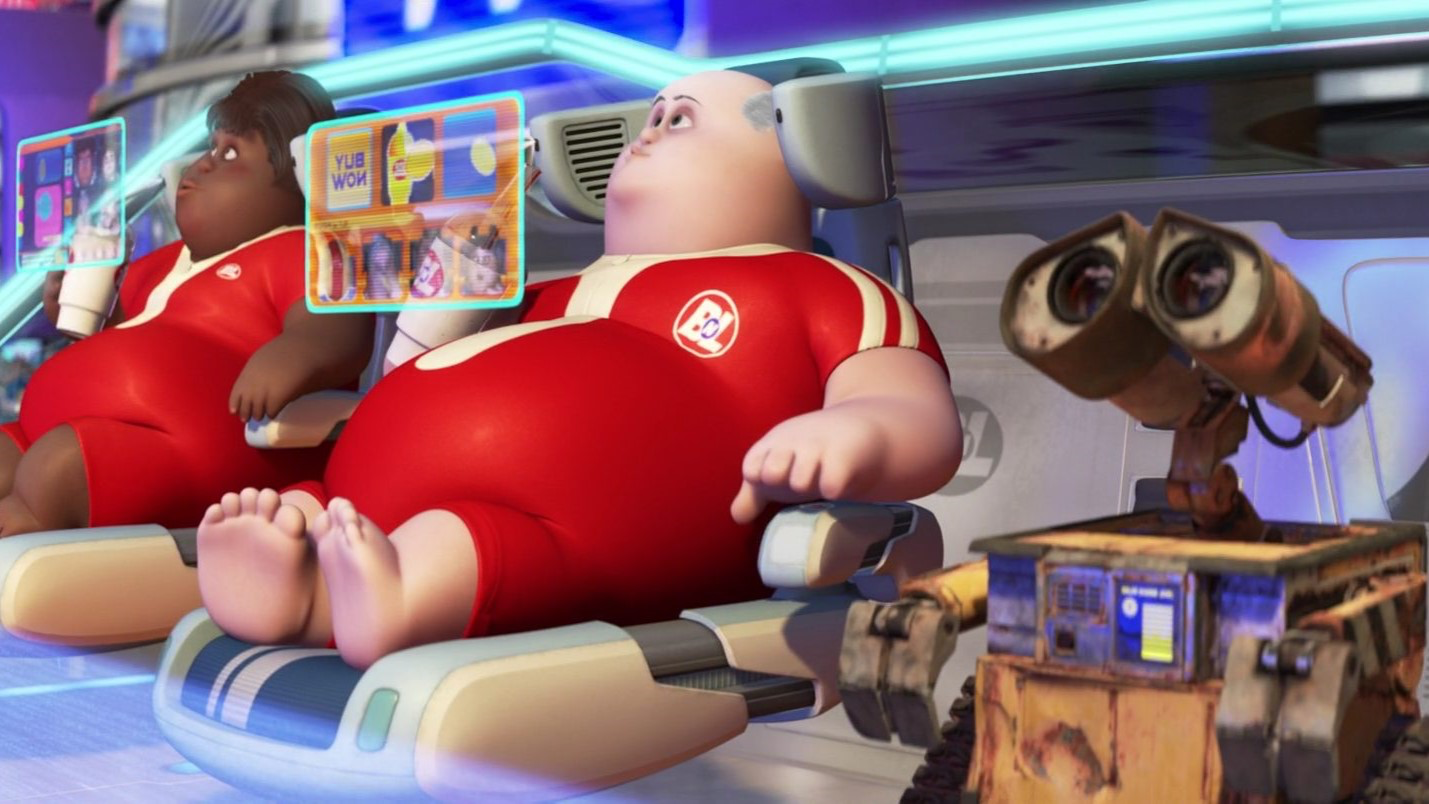
There are pluses — many of them, in fact — to the decentralizing of social media, and I don’t just mean federated networks like Mastodon. I mean the fact that the whole conversation isn’t happening in just one place is overall a good thing; it lets more voices be heard, and should help prevent misinformation from spreading quite as far, fast, and wide.
Except it doesn’t really work that way. X is full of its child pornography and hate speech and misinformation. Sure, folks who are willing to tolerate the cesspool can filter things so that they mostly see the stuff they want to see — but too many users are seeing awful things. Threads and Instagram and Facebook are all insanely popular, and they do a great job of feeding you more of what you like, helping us silo ourselves off. It’s not echo chambers, at least not how I think of echo chambers, because these networks are now far more about a smaller subset of creators being consumed by many. So we’re not repeating as much as hearing the same crap over and over again.
Mastodon has no chance of dethroning Facebook or X. Frankly, there aren’t enough cool kids there, by which I mean famous people.
That’s okay, I guess. It does mean that overall, for my purposes, Mastodon is a nice place, and less of a firehose than Twitter once was.
Someone, someday will unseat Meta and X as the centers of whatever we call social media then. It won’t be the metaverse, it’ll probably involve video, and I can’t promise it’ll be better than what we have now.
But I think social media will continue to find advanced ways to trigger dopamine loops that are very similar to other forms of addiction. We’ll all find the ones that have the friends and/or creators we find most interesting, and we’ll spend too much time there.